

How Much Does Managed IT Cost for a 50-Employee Manufacturing Company in Los Angeles?
For a 50-employee manufacturing company in Los Angeles, managed IT services typically cost between $6,250 and $8,750 per month
Read more...
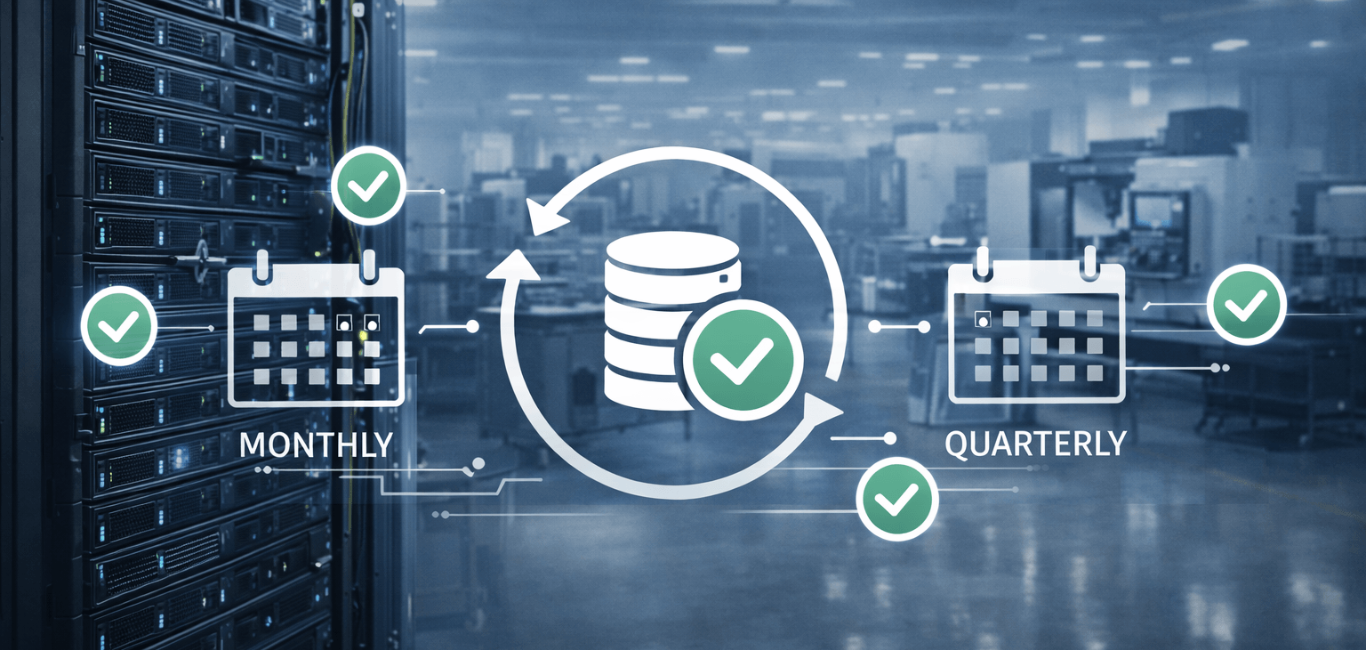
How Often Should Manufacturing Companies Test Backups?
Manufacturing companies should test their backups at least quarterly, perform monthly restore checks, and conduct a full disaster recovery simulation once per year.
Read more...
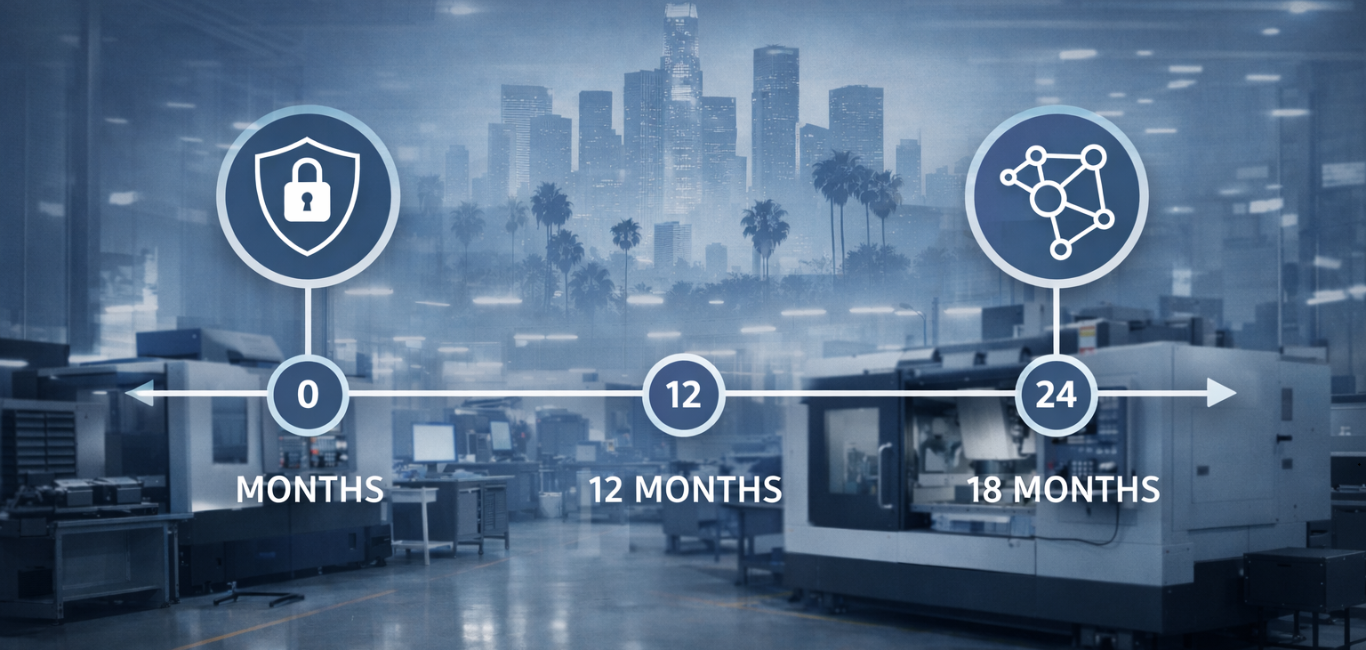
Do Manufacturing Companies Need a Formal IT Roadmap?
Most manufacturing companies with 20–100 employees benefit from a structured 12–24 month IT roadmap.
Read more...
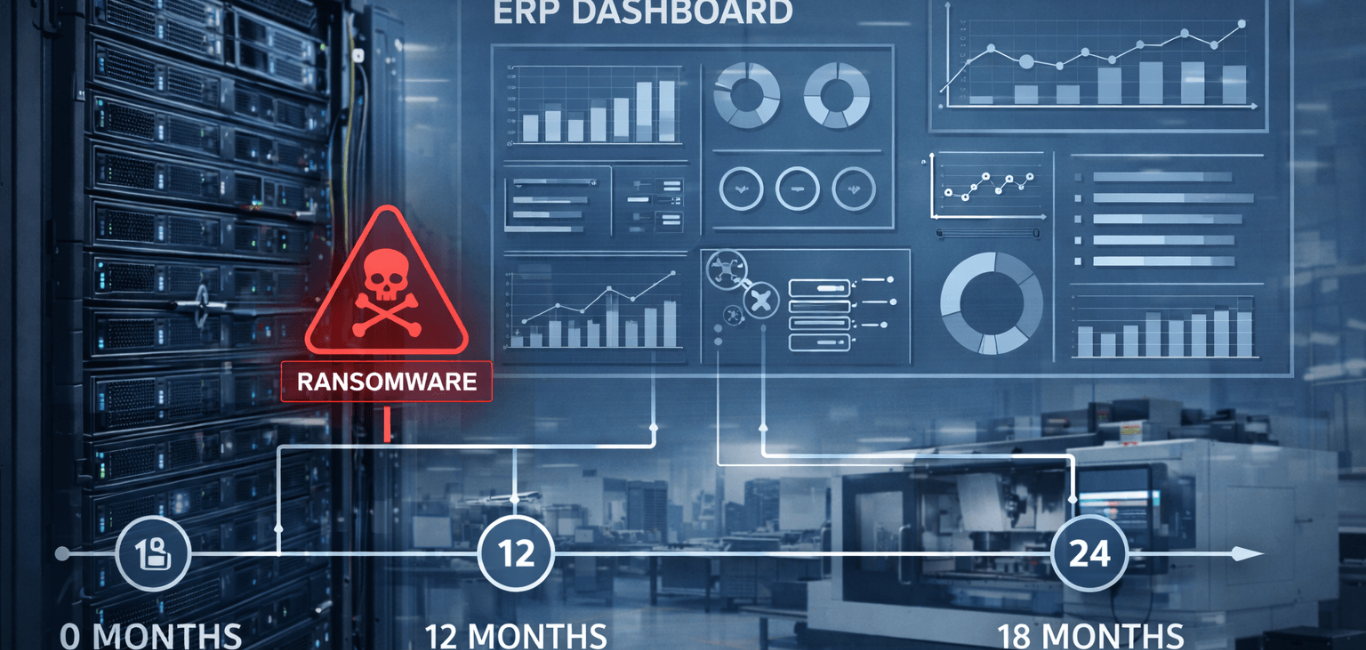
How Vulnerable Is a Manufacturing ERP Server to Ransomware?
For many 20–100 employee manufacturers, the ERP server is the system that turns a cyber incident into an operational shutdown. If ransomware hits ERP or the identity systems controlling ERP
Read more...
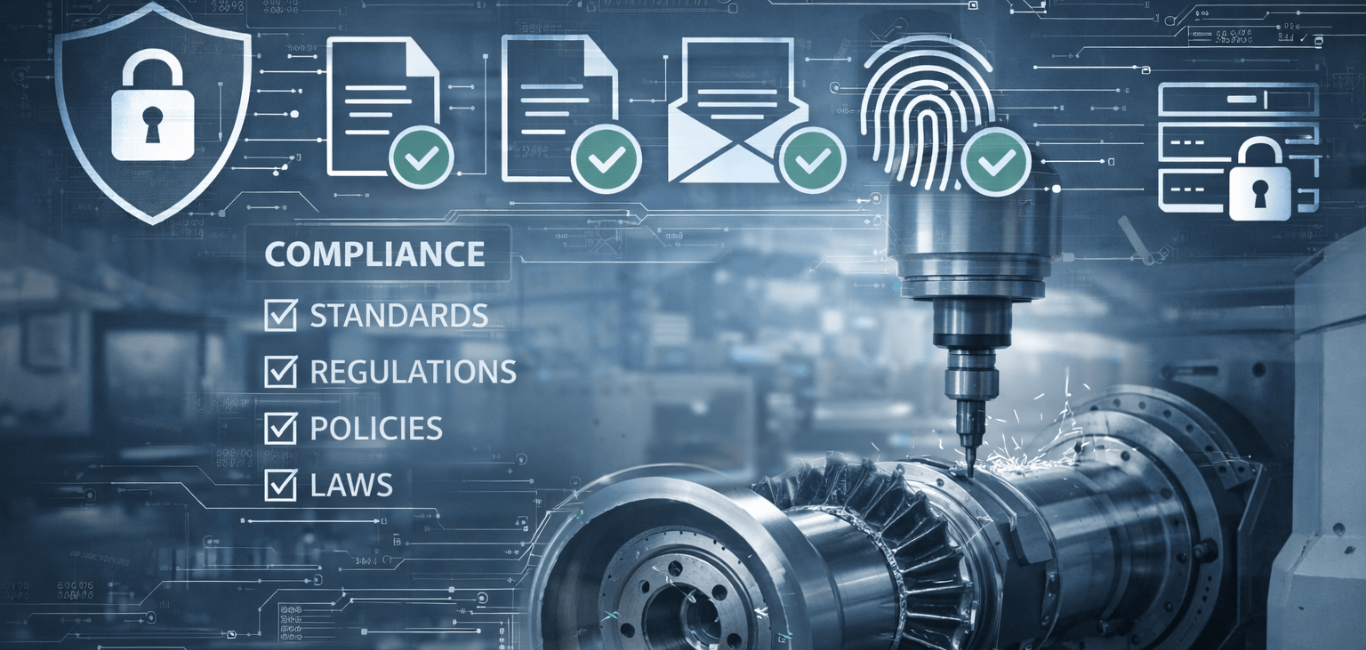
What Cybersecurity Requirements Do Aerospace Suppliers Need to Meet?
Aerospace suppliers are often held to security expectations driven by customer requirements, contract clauses, and the type of data handled, not just company size.
Read more...
What IT Infrastructure Should a 50-Employee Machine Shop Have?
A 50-employee machine shop in Los Angeles needs infrastructure designed for uptime, ERP stability, and secure access to CAD files, not just basic office connectivity.
Read more...
What Happens If Ransomware Encrypts CAD Files?
If ransomware encrypts CAD files, manufacturers lose access to drawings, revisions, CAM toolpaths, and customer specs, often stalling quoting and production the same day.
Read more...
How Much Downtime Can a Machine Shop Actually Afford?
Most machine shops underestimate downtime cost because they only count “lost revenue.” A better approach includes lost production value, blocked labor, expedite costs, scrap/rework risk, and customer penalties.
Read more...
How Do You Know If Your IT Provider Understands Manufacturing?
A manufacturing-ready IT provider should demonstrate expertise in ERP stability, CAD file protection, production network segmentation, backup restore testing, and uptime planning.
Read more...
Why Manufacturing Companies Fail Cyber Insurance Security Audits?
Manufacturers often fail cyber insurance security reviews because controls exist “in theory” but not in evidence: missing MFA, weak admin access, incomplete endpoint protection, and untested backups.
Read more...

What Are the Biggest Hidden IT Risks in Manufacturing Companies?
The biggest IT risks in manufacturing often look “fine” until they cause a shutdown. Untested backups, aging network gear, over-permissioned CAD shares, unmanaged admin accounts
Read more...
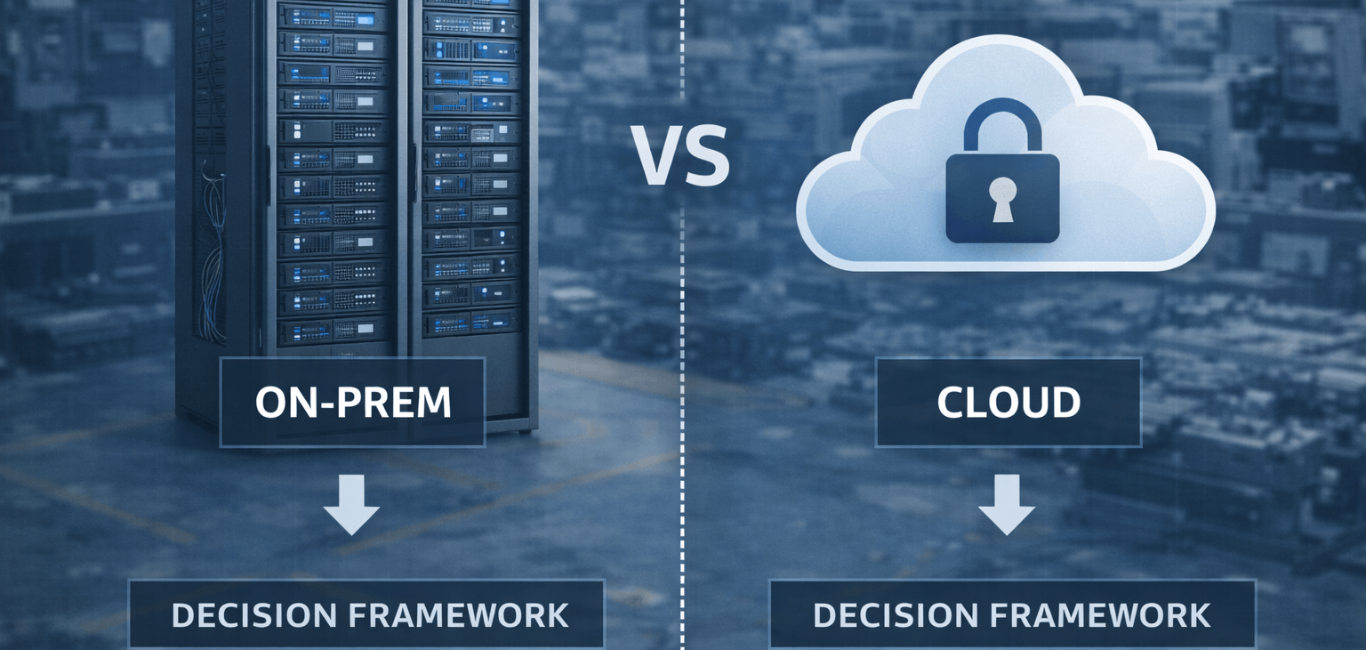
Should Manufacturing Companies Keep ERP Servers On-Premise or Move to the Cloud?
For many 20–100 employee manufacturers, the best ERP hosting decision depends on uptime needs, connectivity reliability, compliance expectations, and security maturity.
Read more...
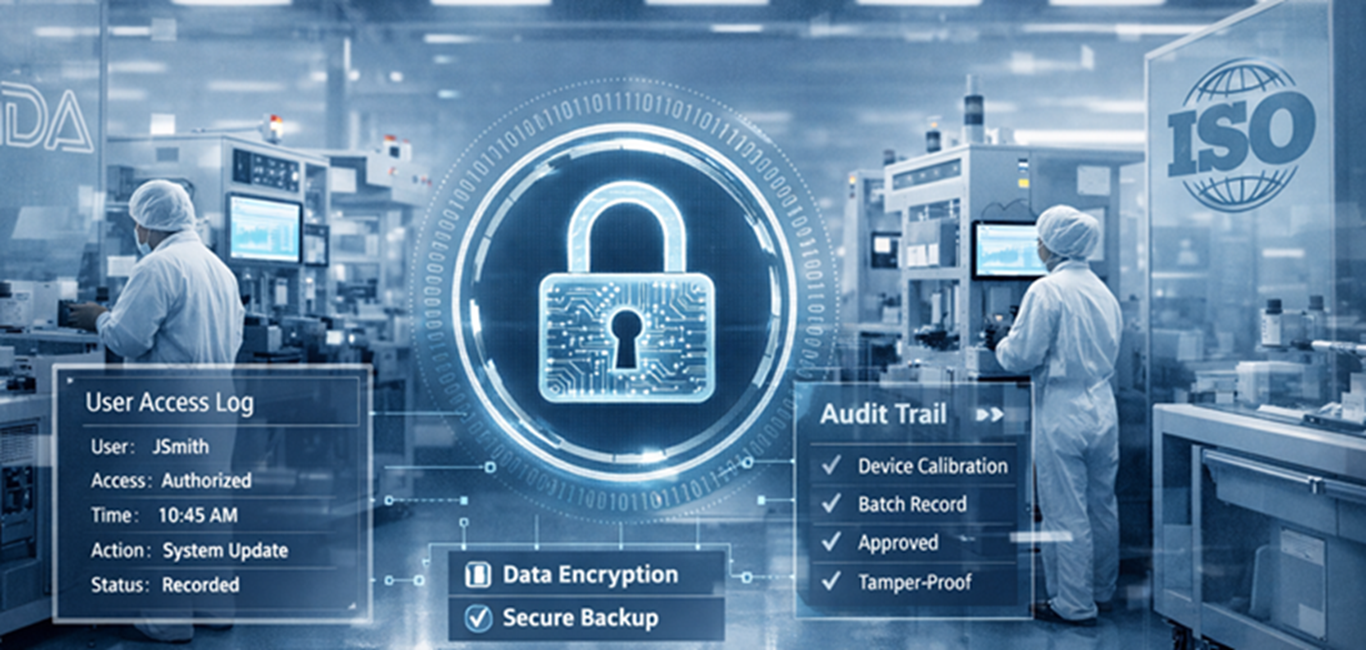
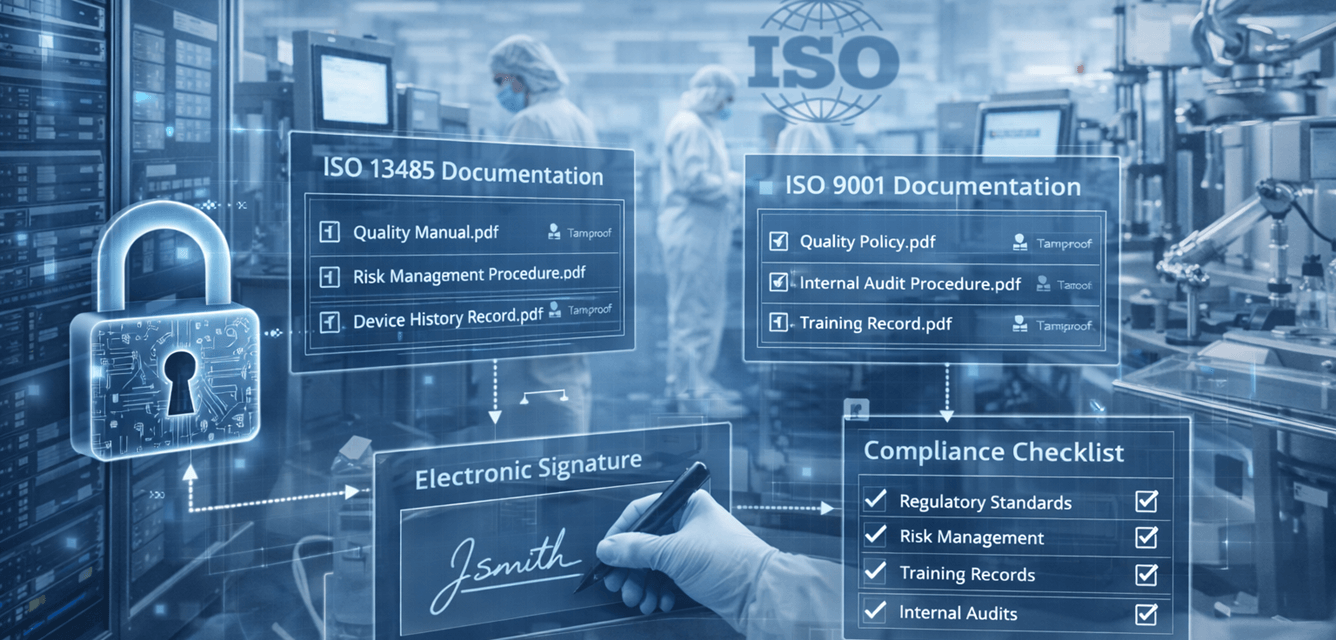
What IT Compliance Requirements Do Medical Device Manufacturers Need to Meet (FDA & ISO)?
Medical device manufacturers must meet strict IT compliance requirements under FDA 21 CFR Part 11 and ISO 13485, especially when managing electronic records, quality systems, and production data.
Read more...

What’s Included in Managed IT Services for Manufacturing Companies (20–100 Employees)?
Managed IT services for manufacturing companies with 20–100 employees typically include 5–7 core service areas, covering cybersecurity, system monitoring, backup and disaster recovery,
Read more...

How Do You Choose the Right IT Provider for a Manufacturing Company (20–100 Employees)?
Choosing the right IT provider for a manufacturing company with 20–100 employees comes down to evaluating 5 critical factors: industry experience, cybersecurity capability, ERP/system support,
Read more...

How Much Does Downtime Cost a Manufacturing Company (Per Hour Breakdown)?
Downtime in manufacturing typically costs between $1,000 to $10,000+ per hour for companies with 20–100 employees, depending on production complexity, labor costs, and system dependencies
Read more...
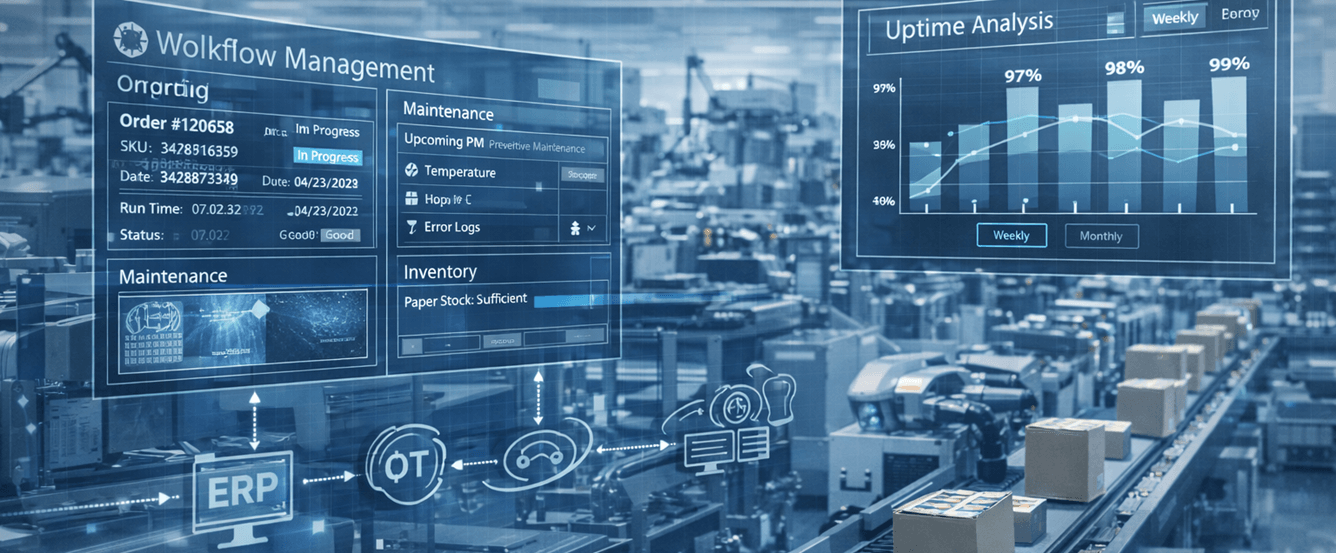
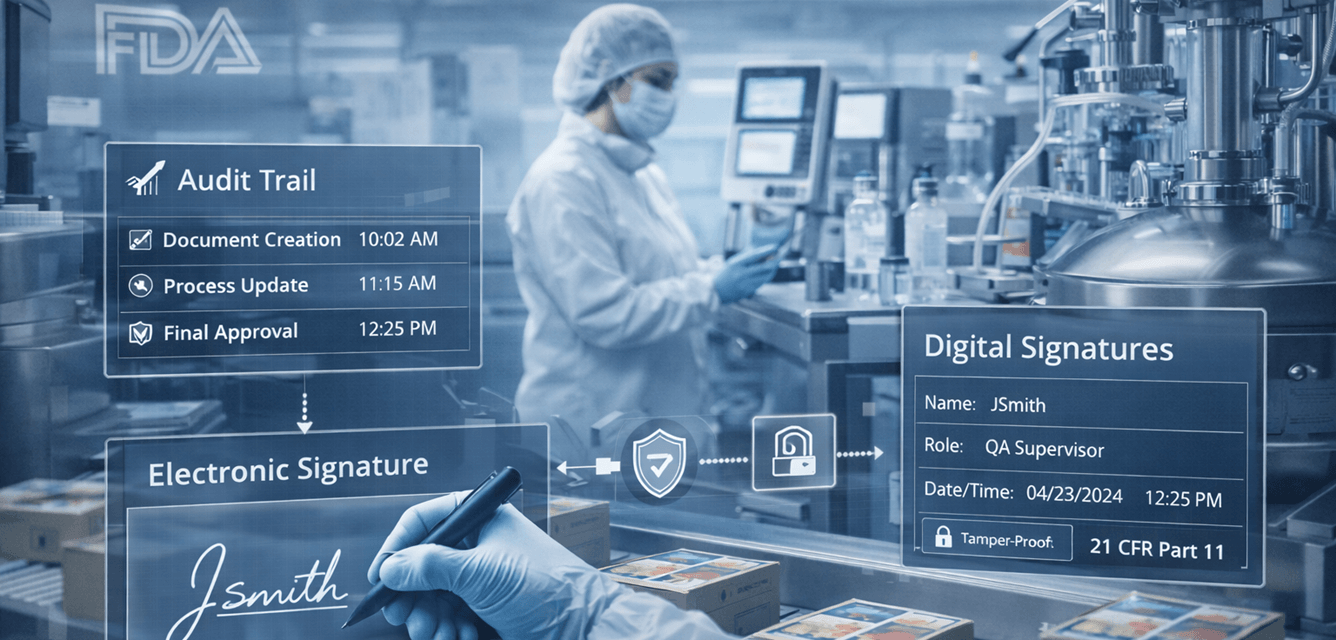
What Are FDA 21 CFR Part 11 Requirements for IT Systems (Simple Breakdown)
FDA 21 CFR Part 11 requires medical device and regulated manufacturers to implement 4–6 core IT controls to ensure that electronic records and signatures are secure, traceable, and tamper-proof.
Read more...
What Is GxP Compliance in IT for Pharma and Chemical Manufacturers?
GxP compliance requires pharmaceutical and chemical manufacturers to implement 5–7 core IT controls that ensure systems handling regulated data are secure, validated, and fully traceable.
Read more...
How Do You Secure ERP Systems from Ransomware in Manufacturing?
Securing ERP systems from ransomware requires implementing 5 critical security layers, including endpoint protection, access control, network segmentation, backup systems, and continuous monitoring.
Read more...

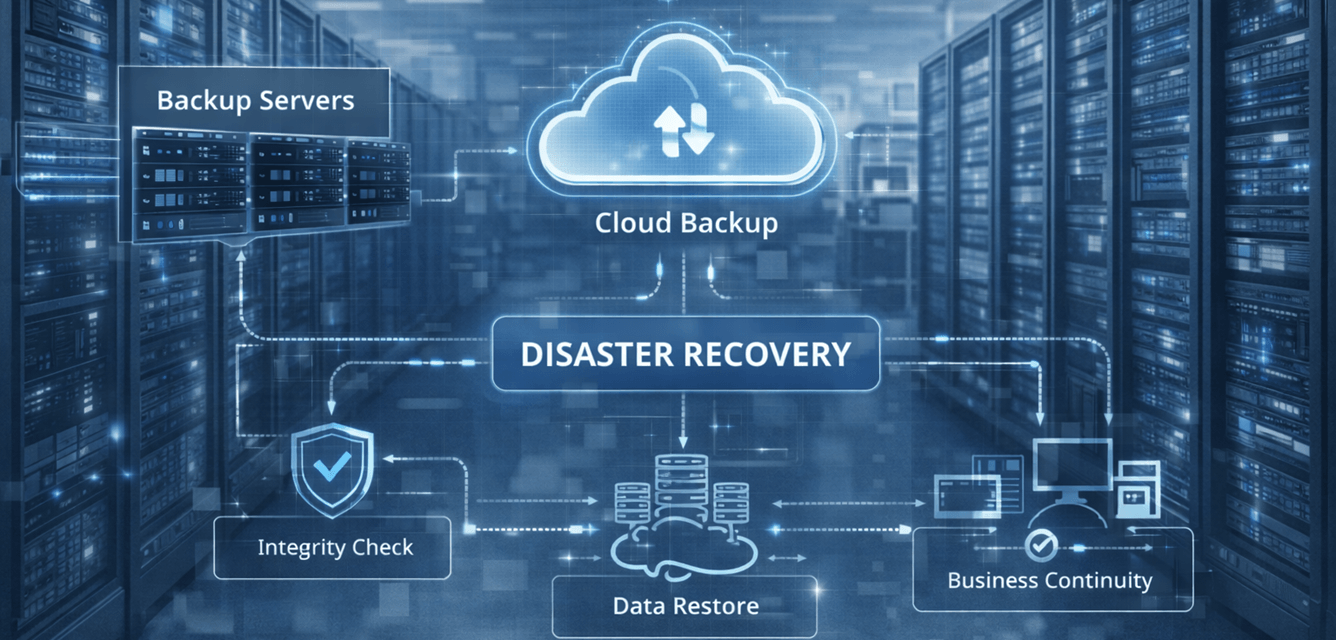
What Should a Manufacturing IT Disaster Recovery Plan Include
A manufacturing IT disaster recovery plan should include 5 core components: system prioritization, backup and recovery systems, defined recovery timelines (RTO/RPO), communication protocols, and regular testing.
Read more...
ERP vs Cloud ERP for Manufacturing: Which Is Better for Compliance and Security?
For manufacturing companies with 20–100 employees, both on-premise ERP and cloud ERP can meet compliance and security requirements but they differ significantly in control, cost, and risk management.
Read more...

What Cybersecurity Insurance Requirements Do Manufacturing Companies Need to Meet?
Manufacturing companies must meet 6–10 core cybersecurity controls to qualify for cyber insurance coverage, including multi-factor authentication (MFA), endpoint protection, backup verification, and access controls.
Read more...
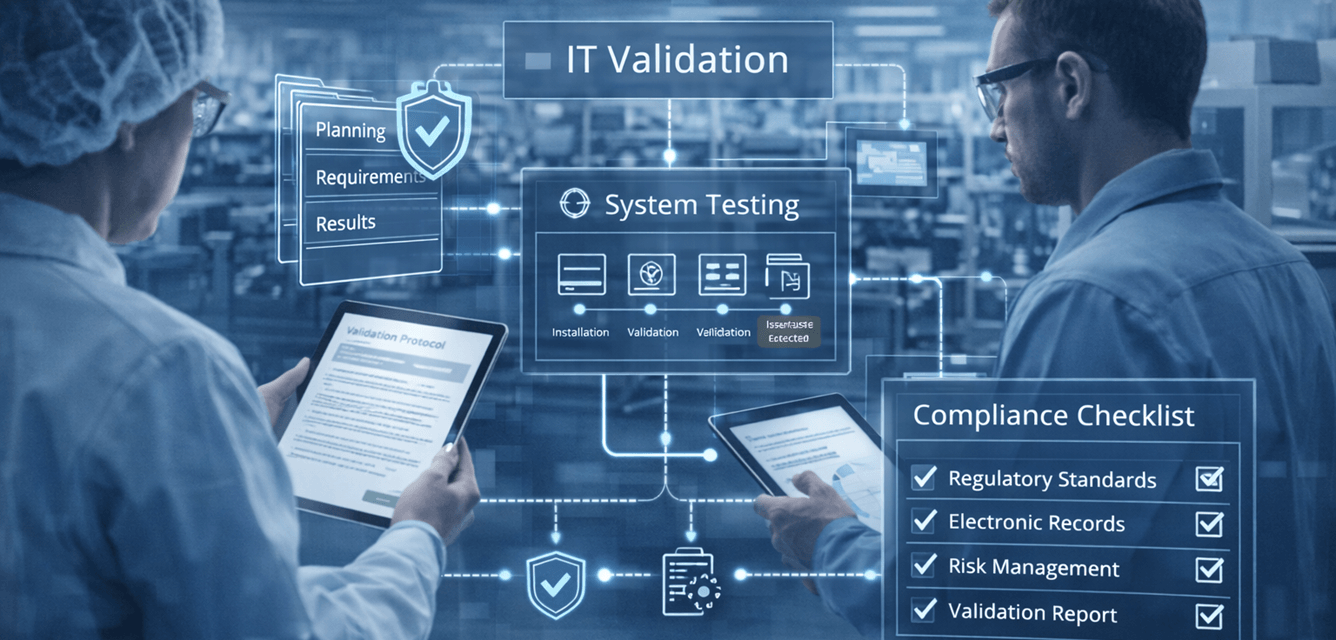
How to Prepare for an IT Audit (FDA, ISO, or Cyber Insurance) in Manufacturing
Preparing for an IT audit in manufacturing typically requires addressing 5–7 core areas, including access control, audit trails, system validation, backup verification, and cybersecurity controls.
Read more...

What IT Systems Should Be Segmented in a Manufacturing Network (IT vs OT Explained)?
Manufacturing companies should segment their networks into at least 2–3 core zones, such as IT (business systems), OT (operational/production systems), and secure access layers, to reduce cybersecurity risk and prevent system-wide failures.
Read more...